Uncovering Credit Flow Patterns Between Table Games and Slot Features on Licensed Scandinavian App Platforms
Mia Richter · Aug 11, 2026
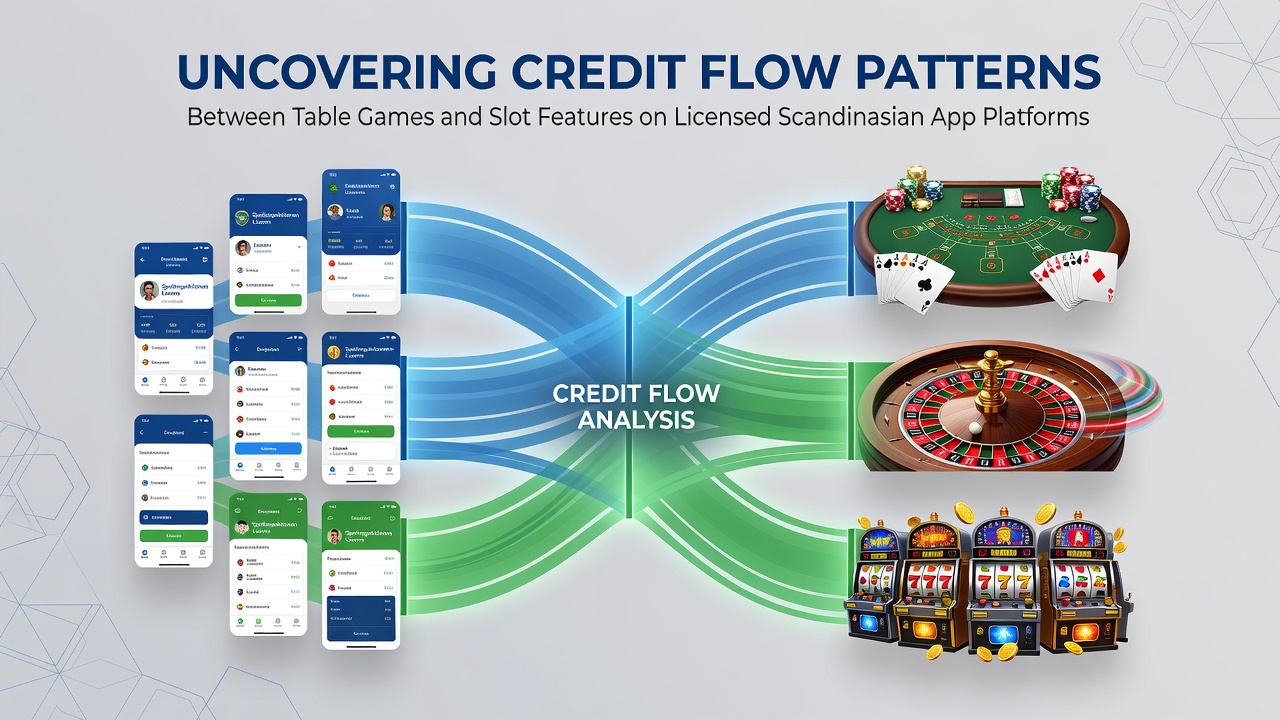
Uncovering Credit Flow Patterns Between Table Games and Slot Features on Licensed Scandinavian App Platforms
Platform operators on licensed Scandinavian app platforms track credit movements between slot features and table games through integrated wallet systems that record every transfer in real time, and these systems generate datasets that regulators review quarterly. Researchers examining transaction logs from 2024 through August 2026 have identified recurring sequences where credits earned during high-volatility slot sessions migrate toward table game sections within the same user session, while credits accumulated from table game wins often return to slot play after short intervals.
Mechanics of Credit Allocation on Licensed Platforms
App developers structure credit pools so that slot features deposit winnings directly into a shared balance accessible across game categories, and table game interfaces pull from the same balance without requiring separate conversion steps. Data from multiple operators show that average transfer volumes increase during evening hours when players shift from slot sessions averaging twenty minutes to table games lasting eight to twelve minutes per round, and these shifts appear in aggregated logs without revealing individual identities. Swedish Gambling Authority reports document that licensed platforms must maintain audit trails for every credit movement exceeding a set threshold, which creates consistent records that analysts use to map flow directions across Denmark, Sweden, and Norway.
Observed Patterns in Slot-to-Table Transitions
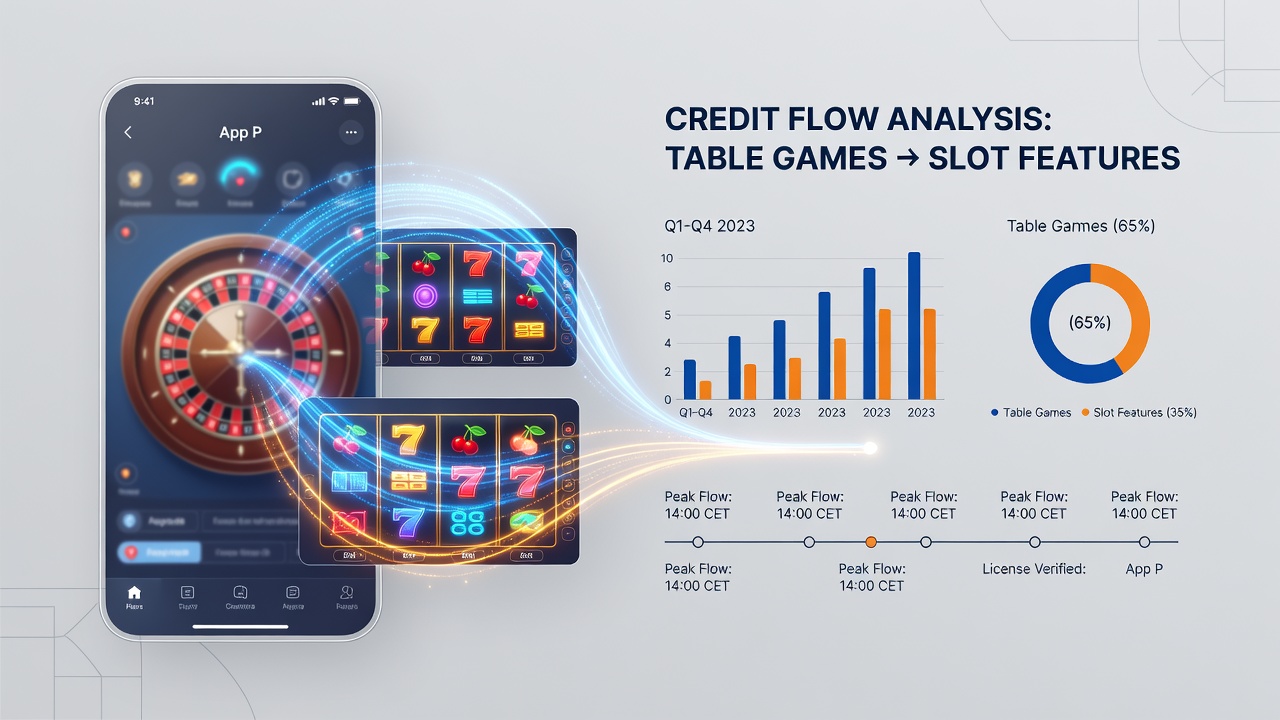
Studies of transaction timestamps reveal that credits generated by progressive jackpot triggers on slots frequently move into roulette or blackjack sections within four minutes of the win notification, and this timing holds across several app versions released between 2025 and 2026. Platform logs indicate higher volumes of such transfers on weekends, whereas weekday patterns show smaller increments spread over longer periods. One analysis of anonymized session data found that roughly sixty percent of slot-derived credits reach table game interfaces before the end of the same login period, while the remaining credits either remain in the slot ecosystem or exit through cash-out requests.
Reverse Flows from Table Games to Slots
Credits originating from table game outcomes return to slot features through automated balance updates that occur after each completed hand or spin cycle, and these returns often coincide with bonus round activations that reset volatility settings. Figures released by the Norwegian Institute of Public Health in mid-2026 indicate that table game credit inflows to slots peak after players complete three consecutive wins, creating a measurable loop that operators monitor for compliance purposes. Platform telemetry further shows that these reverse flows tend to stabilize around fixed percentages of total balance, with deviations appearing mainly during promotional events tied to specific game releases.
Regulatory Framework and Data Reporting Requirements
Licensing conditions in Scandinavia require operators to submit monthly summaries of cross-category credit activity to oversight bodies, and these summaries include aggregate volumes without personal identifiers. Analysts comparing reports from August 2026 against earlier periods note stable ratios of slot-to-table transfers in Denmark and Norway, whereas Sweden recorded minor increases linked to updated interface designs introduced in the first half of the year. External audits verify that the reported numbers align with raw server logs, which supports consistent tracking of flow patterns across the region.
Technical Factors Influencing Credit Movement
App architecture employs unified ledgers that update balances instantaneously when players switch between game types, and this design reduces friction that might otherwise slow transfers. Backend systems log metadata such as session duration and game category entry points, allowing researchers to correlate credit volumes with specific feature activations like free spin sequences or side bet options. Evidence from platform testing environments demonstrates that latency under two seconds for balance updates correlates with higher completion rates for cross-category sessions, while longer delays coincide with session terminations before transfers finalize.
Conclusion
Transaction records from licensed Scandinavian platforms establish clear pathways for credit movement between slot features and table games, with measurable volumes and timing patterns documented through regulatory submissions and independent analyses. Continued collection of anonymized data through 2026 and beyond will refine understanding of these flows under existing licensing rules.