How accumulated credits from slot volatility patterns shift eligibility thresholds for table game promotions on Nordic app platforms
Carlo Richter · Aug 2, 2026

How accumulated credits from slot volatility patterns shift eligibility thresholds for table game promotions on Nordic app platforms
Slot volatility patterns create distinct credit accumulation behaviors across Nordic app platforms, where high-volatility machines deliver larger but infrequent payouts while low-volatility options produce steadier smaller returns, and these differences directly alter how players meet eligibility thresholds for table game promotions such as roulette or blackjack bonuses.
Platform operators track these patterns through integrated loyalty systems that convert slot outcomes into accumulated credits, which then determine access levels for cross-game promotions, and data from multiple Nordic markets shows that players engaging with medium-volatility slots often reach table game thresholds faster because their credit streams remain consistent without extreme swings.
Mechanics of Credit Accumulation in Slot Systems
Volatility settings on Nordic apps categorize slots into tiers that influence credit generation rates, with algorithms adjusting payout frequencies based on player history and session data, while accumulated credits from these sessions feed into centralized accounts that platforms use to calculate promotion eligibility for table games. Observers note that high-volatility slots on apps like those operating in Sweden and Norway generate credits in bursts, requiring players to sustain longer sessions to match the steady accumulation seen in low-volatility alternatives, and this dynamic shifts thresholds because platforms recalibrate eligibility after certain credit milestones are hit.
Research indicates that volatility patterns affect not just immediate rewards but also long-term credit pools, where a sequence of high-volatility plays might push a player past a table promotion threshold in one large increment, whereas consistent low-volatility activity builds the same total gradually yet with fewer interruptions from platform risk assessments.
Threshold Adjustments for Table Game Promotions
Eligibility thresholds for table game promotions on Nordic platforms incorporate accumulated slot credits as a primary metric, and operators apply multipliers or reductions depending on the volatility profile of the originating slots, which means credits from high-volatility games sometimes carry adjusted values that either accelerate or delay access to promotions like free roulette spins or blackjack cashback. Figures from industry reports reveal that platforms update these thresholds periodically to balance player retention across game types, and in August 2026 several Nordic apps are scheduled to implement refined algorithms that factor volatility history more explicitly into credit valuations for table promotions.
Those who've studied player data across Finnish and Swedish apps find that mixed-volatility strategies allow users to optimize credit accumulation, enabling quicker qualification for table game offers, while single-pattern approaches can create bottlenecks when credits fall short of adjusted requirements.
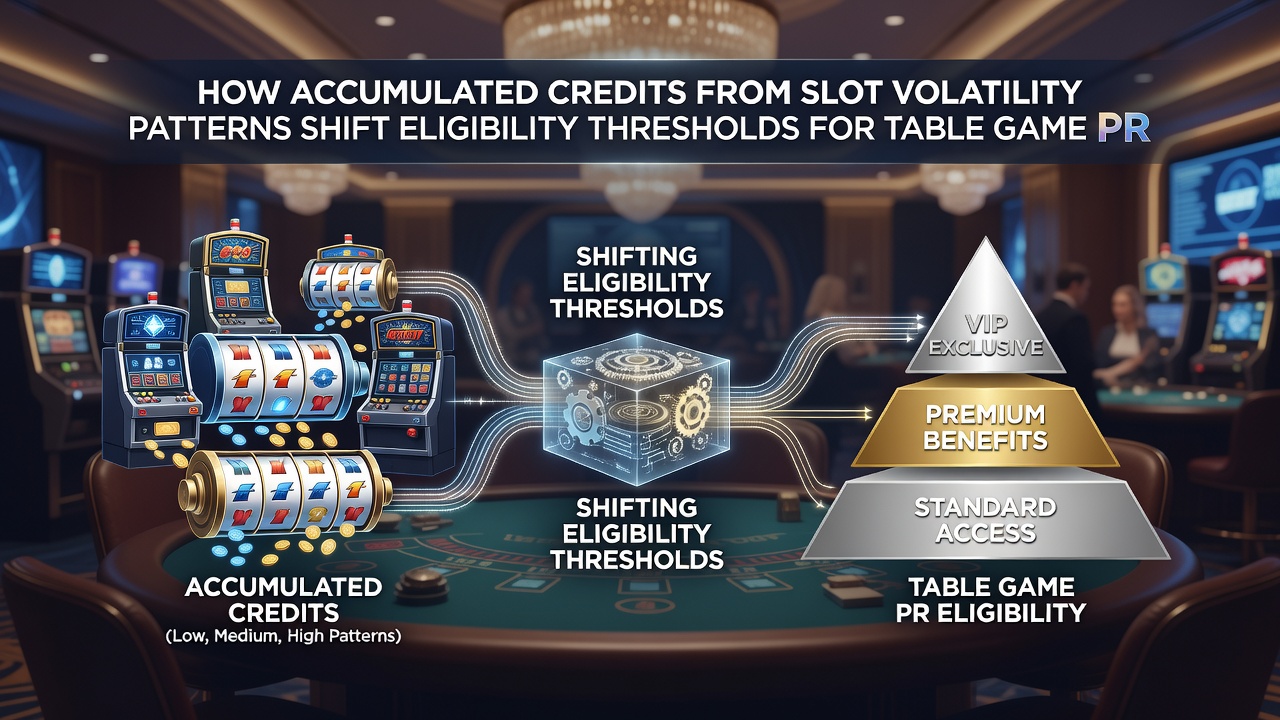
Platform rules often tie table promotion access to credit tiers that reflect volatility exposure, and this connection encourages players to diversify slot selections to maintain steady eligibility progress rather than relying on sporadic high-volatility wins that may reset or alter threshold calculations mid-session.
Regional Variations Across Nordic App Ecosystems
Nordic app platforms exhibit subtle differences in how they process slot-derived credits for table promotions, with Norwegian operators emphasizing session-length volatility tracking that can elevate thresholds for players favoring erratic patterns, whereas Swedish and Danish systems integrate broader credit histories that smooth out these shifts. According to data released by the Norwegian Lotteri- og stiftelsestilsynet, credit accumulation metrics have influenced promotion structures in ways that reward balanced volatility engagement across game categories.
Analyses of app usage patterns demonstrate that accumulated credits from slots serve as a bridge to table game access, and platforms adjust these bridges based on aggregate volatility data to maintain regulatory compliance while supporting varied player preferences throughout the region.
Future Platform Developments and Credit Integration
Updates planned for late 2026 on several Nordic apps will refine how volatility patterns contribute to credit totals, potentially introducing dynamic thresholds that respond in real time to slot play styles, and this evolution builds on existing systems where table game promotions already draw directly from accumulated slot metrics. External studies, including those referenced in reports from the Australian Institute of Criminology on cross-game mechanics, highlight similar credit linkage trends that Nordic platforms appear to adapt for their markets.
Players navigating these systems benefit from understanding that credit shifts tied to volatility create flexible pathways to table promotions, with platforms providing tools to monitor accumulation rates and projected eligibility changes.
Conclusion
Accumulated credits generated through slot volatility patterns continue to reshape eligibility thresholds for table game promotions on Nordic app platforms, as operators refine their systems to reflect player behavior across volatility tiers, and ongoing adjustments scheduled around August 2026 underscore the interconnected nature of these mechanics in maintaining balanced promotional structures across the region.