From Roulette Wheels to Poker Tables: Tracing Bonus Integration Patterns Across Danish Mobile Casino Ecosystems
Sam Richter · Jul 30, 2026
From Roulette Wheels to Poker Tables: Tracing Bonus Integration Patterns Across Danish Mobile Casino Ecosystems
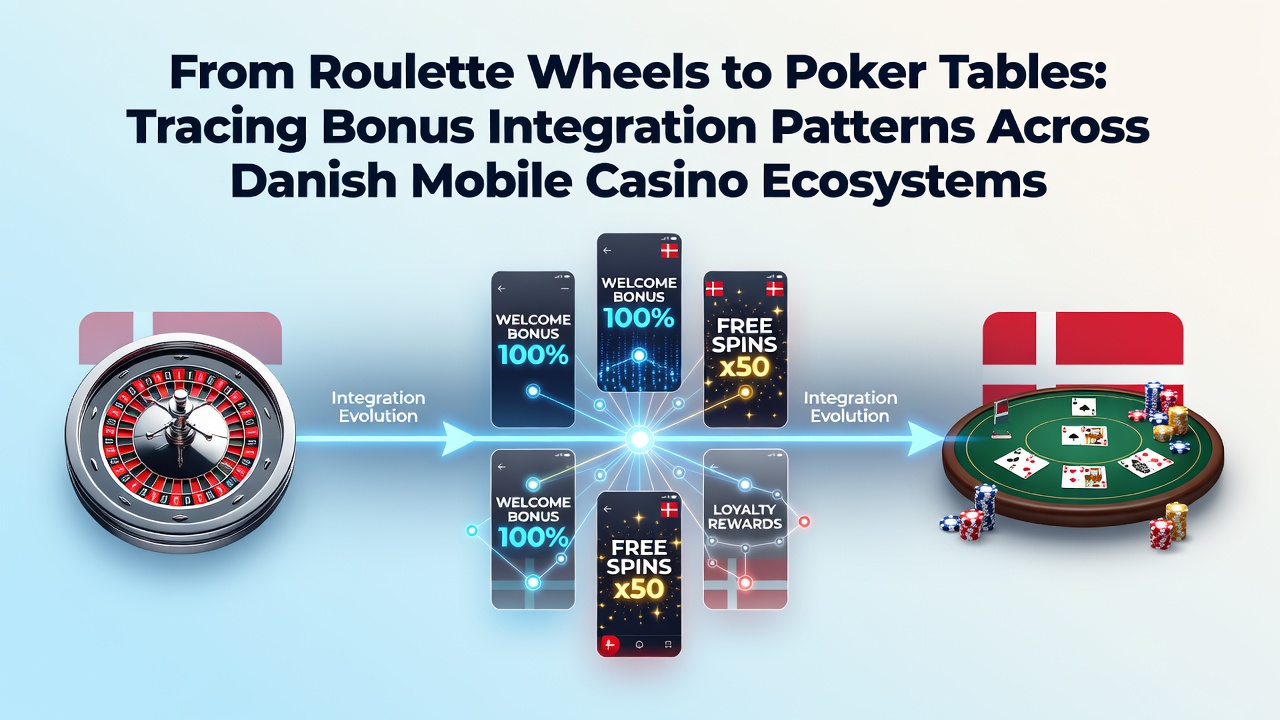
Bonus structures in Danish mobile casinos have followed distinct integration paths that connect roulette mechanics with poker features over recent years, and data from regulatory filings plus industry reports document these shifts clearly. Observers note how early bonus models centered on wheel-based games expanded into table formats through shared reward systems that reward consistent play across platforms.
Patterns emerged when developers began linking spin outcomes directly to table game credits, creating seamless transitions that mobile users encounter daily. Researchers at European institutions tracked these developments through app usage logs, and findings indicate that roulette-derived multipliers now feed into poker hand rankings on the same accounts without separate redemptions.
Early Bonus Frameworks in Roulette Offerings
Roulette applications on Danish mobile networks introduced deposit-matched credits tied to specific wheel segments during the mid-2010s, and these credits carried forward when players moved between sessions. Integration occurred through unified wallets that preserved value across game categories, which allowed operators to maintain player engagement without resetting progress at each switch.
Studies from academic groups in Scandinavia revealed that bonus frequency in roulette peaked during evening hours, and mobile data logs showed corresponding increases in session length when credits applied automatically to subsequent spins. Such mechanics established templates later adapted for other formats.
Expansion into Poker Table Mechanics
Poker platforms incorporated elements from roulette bonuses by converting accumulated wheel credits into rake reductions or tournament entries, and this crossover appeared in Danish app updates rolled out progressively after 2020. Mobile ecosystems facilitated the change because single sign-on systems tracked activity across both game types without manual transfers.
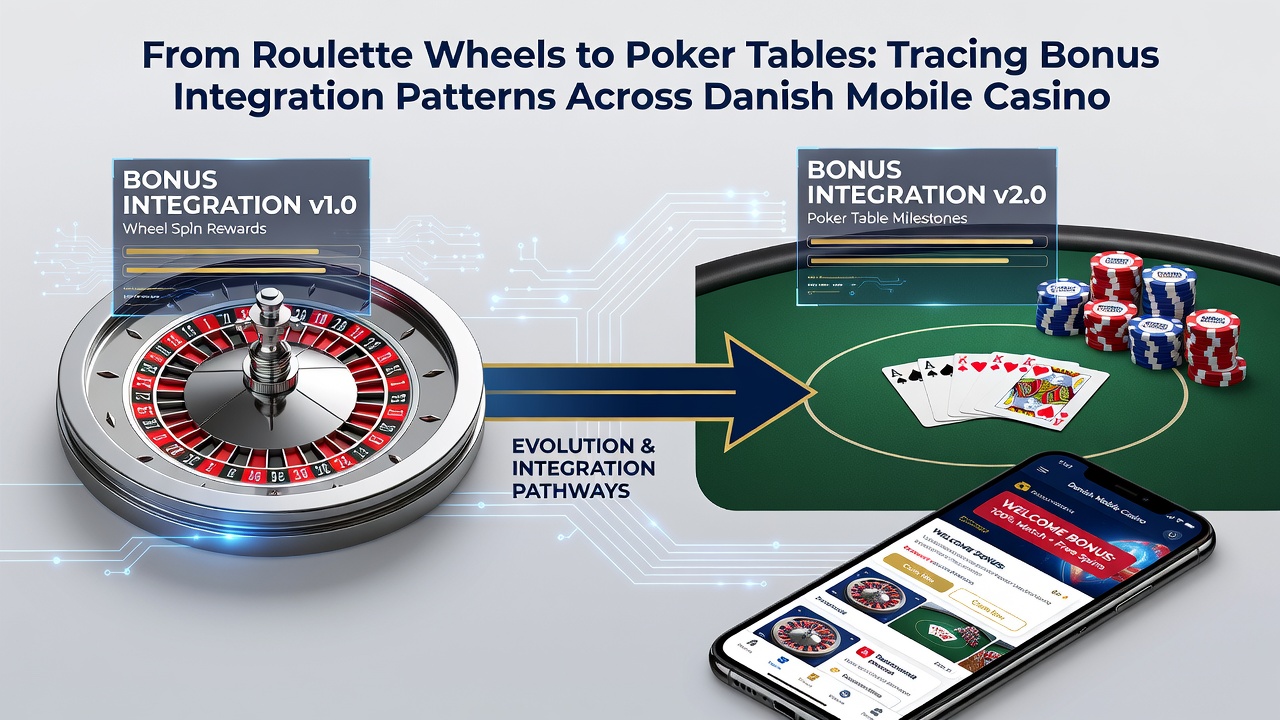
Figures from industry analyses indicate that players who activated roulette bonuses saw higher retention rates when those same values applied to poker tables, and developers responded by standardizing conversion rates. According to reports from the Australian Gambling Research Centre, similar cross-game linkages appeared in multiple jurisdictions and influenced Danish implementations through shared software providers.
Mobile-Specific Integration Trends Through 2026
By July 2026, Danish mobile casino applications displayed refined tracking that combined roulette spin histories with poker performance metrics in real time, and push notifications alerted users when accumulated values unlocked table bonuses. Developers optimized these features for smaller screens, ensuring visual continuity between wheel animations and card interfaces.
Usage statistics compiled by Nordic technology firms show that integration reduced average time between game switches, and operators adjusted bonus caps accordingly. Patterns include percentage-based carryovers where roulette winnings percentages determined poker buy-in allowances, creating predictable pathways documented in compliance reports.
Regulatory Context and Data Patterns
Danish authorities require transparent logging of bonus flows between game categories, and records from 2024 onward highlight consistent adoption of unified systems. External data from the Responsible Gambling Council in Canada provides comparative benchmarks that align with observed Danish mobile trends, particularly in how bonuses migrate without violating spending limits.
Those who monitor app ecosystems report that July 2026 updates emphasized API connections allowing real-time bonus validation across roulette and poker modules. Such connections support audit trails that operators maintain for oversight purposes.
Conclusion
Bonus integration across Danish mobile roulette and poker environments follows traceable technical and operational paths that continue to evolve with platform capabilities. Records through mid-2026 confirm steady movement toward unified reward structures that respect game-specific rules while enabling cross-format value transfers. These developments remain grounded in documented usage data and compliance requirements rather than isolated innovations.