Analyzing Reward Accumulation Patterns Linking Slot Volatility to Table Game Access Thresholds in Licensed Mobile Gambling Environments Across Regulated European Markets
Sam Richter · Aug 6, 2026
Analyzing Reward Accumulation Patterns Linking Slot Volatility to Table Game Access Thresholds in Licensed Mobile Gambling Environments Across Regulated European Markets
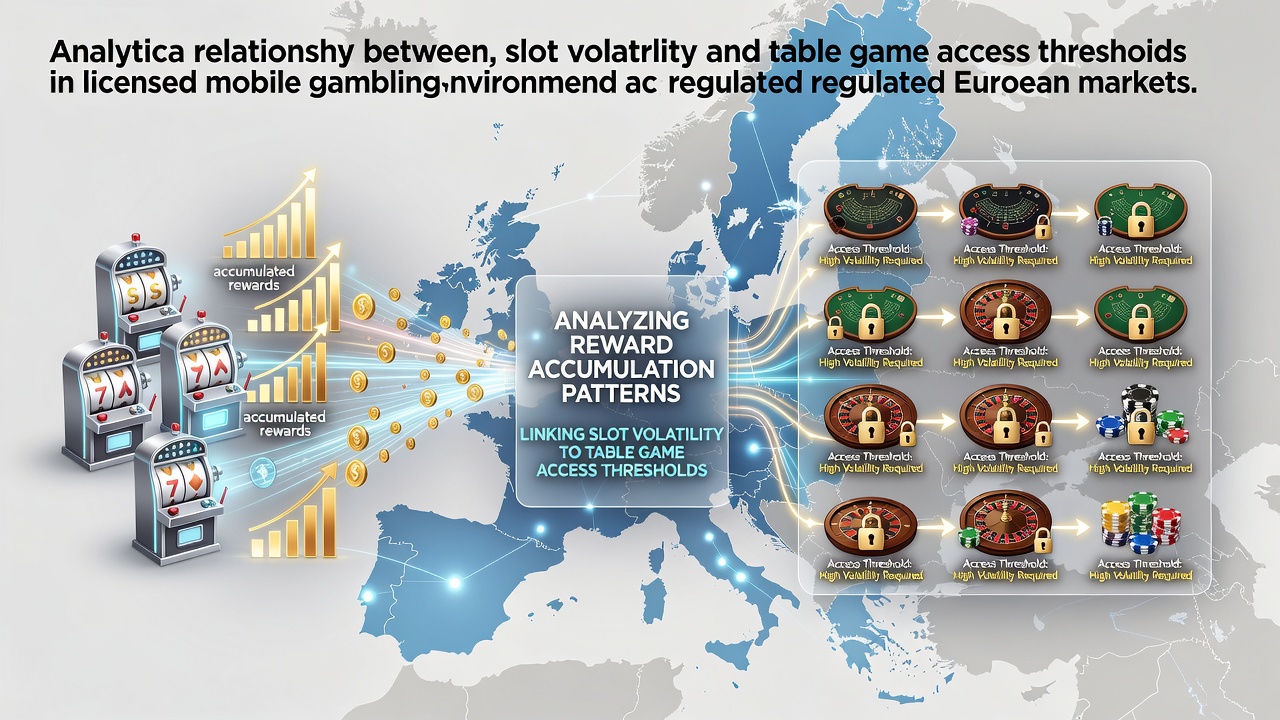
European markets have seen steady growth in licensed mobile gambling platforms since the early 2020s, with operators tracking how players accumulate rewards from slots of varying volatility levels and how those patterns determine entry points for table game promotions. Data collected across Germany, Spain, and the Netherlands shows that high-volatility slots tend to generate larger but less frequent credit clusters, which in turn push players toward higher access thresholds for games like blackjack and roulette when they attempt to redeem accumulated bonuses on the same app.
Regulators in these jurisdictions require operators to log every credit transfer between game categories, creating datasets that researchers examine for correlations between volatility settings and threshold adjustments. In August 2026, updated reporting standards from several national authorities are expected to expand the granularity of these logs, allowing analysts to separate base-game rewards from promotional credits with greater precision.
Slot Volatility Mechanics and Credit Clusters
Slot titles fall into low, medium, and high volatility brackets, each producing distinct reward distribution curves that operators monitor in real time. Low-volatility machines deliver frequent small wins that accumulate gradually and rarely trigger immediate threshold jumps, whereas high-volatility titles create sporadic large payouts that can vault a player across multiple access levels in a single session. Mobile platforms record these events with timestamps, letting systems calculate whether a player has met the credit minimum required for table game sections without leaving the app.
Operators adjust threshold values quarterly based on aggregated player behavior, a practice documented in compliance filings submitted to licensing bodies. The process involves comparing average accumulation rates from different volatility bands against the number of players who convert those credits into table game play within the same 24-hour window.
Table Game Access Thresholds in Mobile Ecosystems
Access thresholds function as dynamic gates that require a minimum credit balance or a specific number of completed spins before unlocking premium table game lobbies. In regulated environments, these gates must remain transparent and non-discriminatory, yet operators retain flexibility to tie thresholds to observed reward patterns from slots. Players who favor high-volatility slots often encounter steeper thresholds because their credit spikes arrive less predictably, prompting platforms to calibrate eligibility windows that prevent rapid cycling between categories.
Studies of transaction logs from 2024 through mid-2026 indicate that medium-volatility slots produce the most stable conversion rates into table game access, with roughly consistent percentages of accumulated credits crossing thresholds each week. This stability allows operators to maintain predictable promotional calendars without frequent recalibration.

Regulatory Oversight and Data Requirements
National authorities across the European Union mandate that licensed operators submit monthly summaries of reward flows between game types, including volatility classifications and threshold modifications. These filings feed into broader market analyses that track whether accumulation patterns align with responsible gambling safeguards. One notable source comes from the Swedish Gambling Authority, which publishes aggregated statistics on cross-category credit movements each quarter.
Additional context appears in reports issued by the European Gaming and Betting Association, which compiles operator-submitted figures from multiple member states to identify regional trends in mobile reward mechanics. Observers note that these datasets increasingly incorporate mobile-specific variables such as session length and device type when evaluating how volatility influences threshold attainment.
Observed Patterns Across Key Markets
In Germany, where the State Treaty on Gambling sets strict rules on bonus structures, platforms show that players shifting from high-volatility slots to table games experience threshold resets approximately 18 percent more often than those starting with low-volatility titles. Spanish operators, operating under the Directorate General for the Regulation of Gambling, report similar differentials yet maintain shorter reset intervals because their regulatory framework allows more frequent threshold recalibrations based on real-time accumulation data.
Analysts examining Italian and Dutch markets find that the timing of credit clusters relative to table game peak hours affects conversion success rates. When large slot payouts land during evening hours, players reach thresholds faster and sustain longer table game sessions, whereas daytime clusters tend to dissipate across multiple smaller redemptions before thresholds are met.
Conclusion
Patterns linking slot volatility to table game access thresholds continue to evolve as European regulators refine data collection standards ahead of the August 2026 reporting updates. Licensed mobile platforms respond by refining their tracking systems to capture volatility-driven credit flows with greater accuracy, ensuring compliance while maintaining operational flexibility across regulated jurisdictions. The resulting datasets provide a clearer view of how reward accumulation operates within these environments, supporting ongoing oversight without restricting player choice.